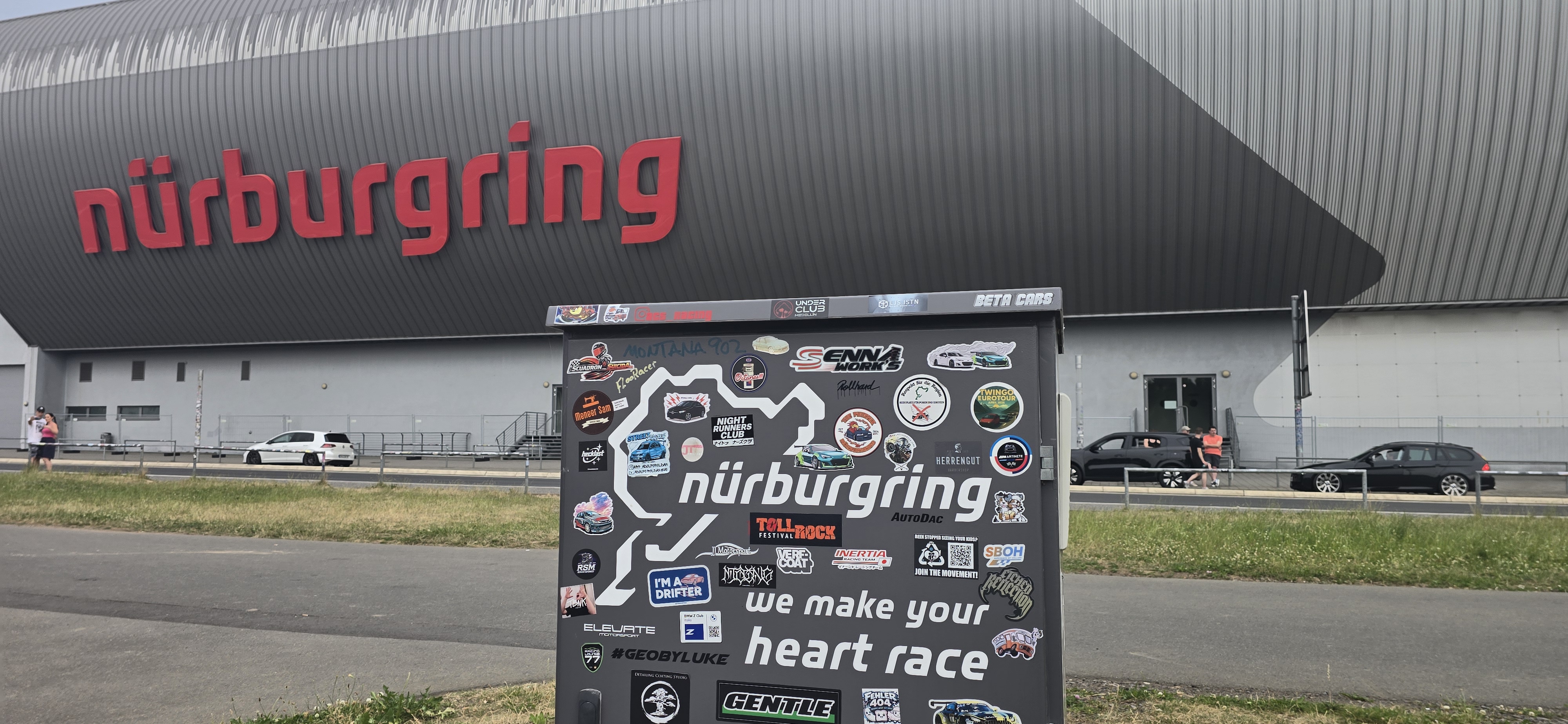
The Week Before Germany
Ask anyone who's been to the Nürburgring more than once and they'll tell you the same thing: the trip doesn't start when you leave home. It starts weeks beforehand.
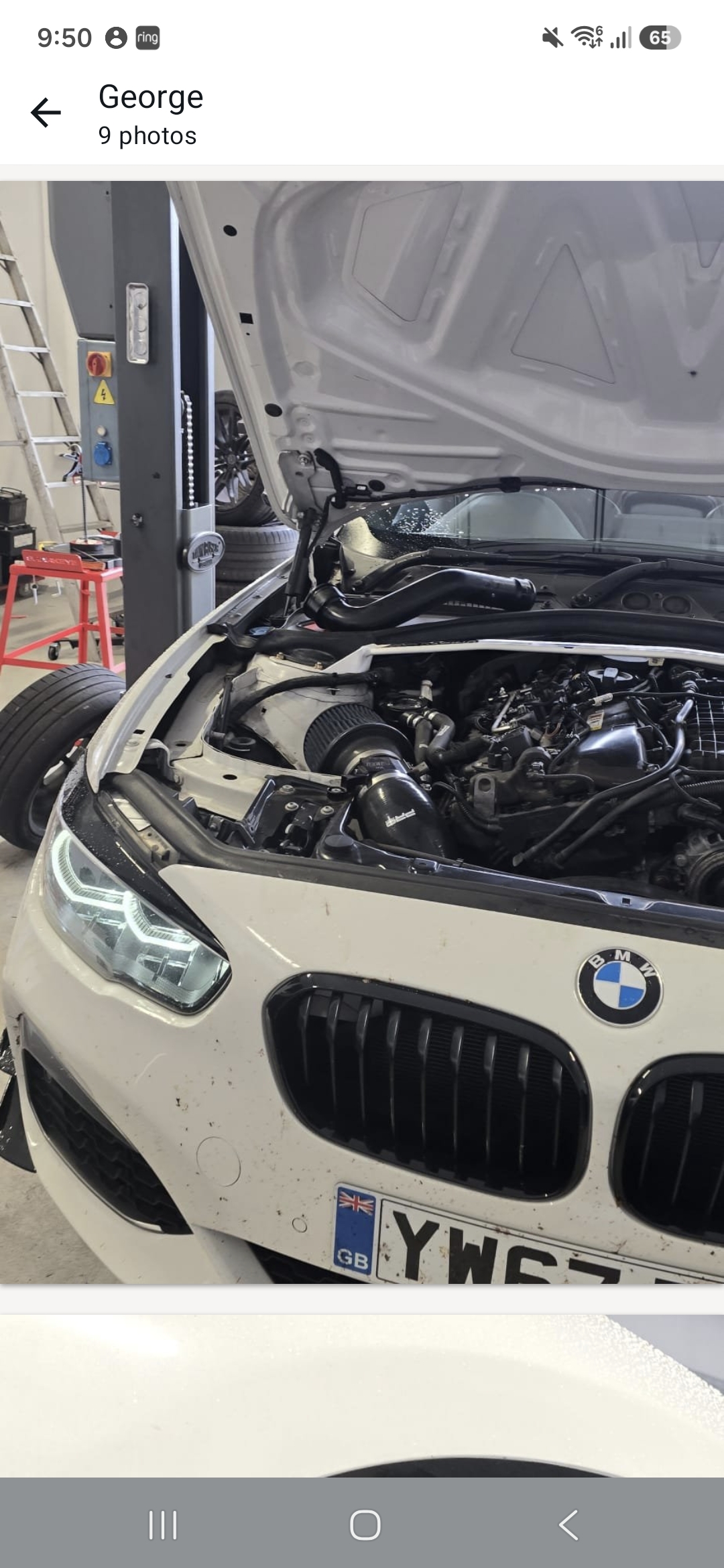
Long before the ferry is booked or the bags are packed, garages become workshops, shopping lists grow longer, and every strange noise suddenly becomes something worth investigating. The Nürburgring has a habit of exposing weaknesses. Ignore that slight vibration, forget about those worn brake pads, convince yourself that tyre has "one more trip" left in it — the chances are the Nordschleife will find it. That's why preparation matters.
Reliability Before Power
It's easy to become obsessed with horsepower. Another map. A bigger turbo. A louder exhaust. But after five consecutive trips to Germany, we've learnt that reliability is worth far more than another twenty horsepower.
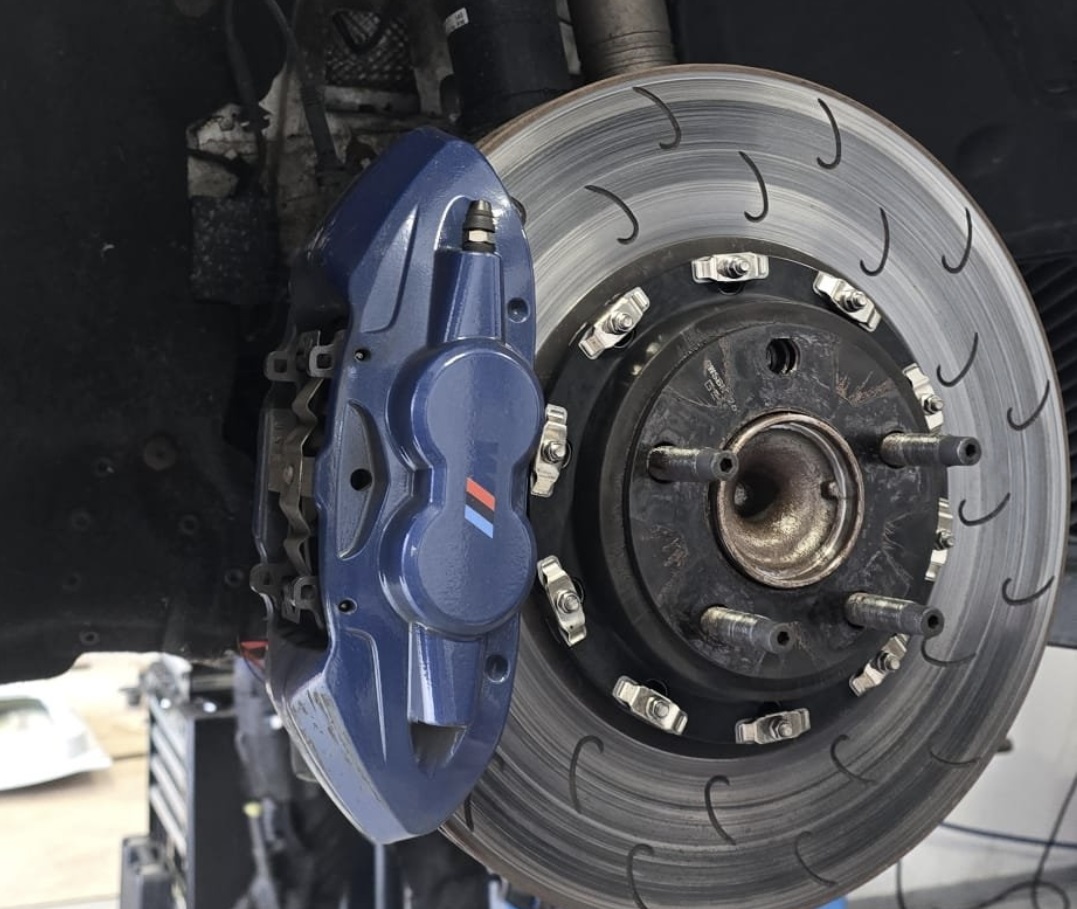
Every car in our convoy was prepared with one goal in mind: get to Germany, survive a weekend of hard driving, and make it home again. That meant servicing before the trip, checking every fluid, inspecting suspension components, torque-checking wheels, and making sure nothing had been overlooked. Because the Nürburgring doesn't care how much power your car makes if it's sitting on the back of a recovery truck.
Packing for the Unexpected
Travelling to Germany means accepting one simple fact: if something goes wrong, you're a long way from home. Our boots weren't just filled with overnight bags. They carried engine oil, coolant, brake fluid, tools, tyre pressure gauges, torque wrenches, diagnostic equipment, jump leads, cleaning cloths, cable ties and electrical tape — the sort of collection that makes sense only to people who regularly drive modified cars across Europe.
Hopefully you won't need any of it. But you'll be glad it's there if you do.
Looking After the Driver
Preparing the car is only half the job. The driver needs looking after too. A Nürburgring weekend can be physically demanding — long motorway miles, early starts, high temperatures, and hours spent concentrating behind the wheel. It's easy to underestimate how tiring it becomes.
Plenty of water, regular breaks and a decent night's sleep are just as important as checking your tyre pressures. A tired driver is just as dangerous as a poorly prepared car.
The Cost Nobody Talks About
Before we leave, it's worth talking about money. Not because the Nürburgring is expensive — because it can become expensive very quickly. Fuel, hotels, ferry crossings, lap tickets, food, and unexpected repairs all add up fast.
Every trip needs a contingency fund. It's one thing budgeting for a weekend away. It's another budgeting for something you didn't expect to fail — as we'd soon discover, that's advice we should all take seriously.
Respect the Circuit Before You Arrive
One thing we always recommend is reading the Nürburgring's official Tourist Drive regulations before setting off. Understand the flags. Know what to do if your car breaks down. Read the rules around overtaking.
Most importantly, remember that Touristenfahrten is not a race. You're driving on a public toll road under German traffic law, sharing the circuit with everything from standard hatchbacks and motorcycles to highly modified track cars.
"Leave the stopwatch at home. The Nürburgring isn't about proving you're the quickest — it's about enjoying one of the greatest driving roads ever built and coming home with memories rather than repair bills."
Ready to Go
By Thursday evening everything was finally in place. The cars were fuelled, the tools were packed, tyre pressures checked, sat navs loaded, and passports, ferry bookings and lap cards safely tucked away. Months of planning had come down to one final night's sleep.
The alarms were set for two o'clock on Friday morning. Germany was waiting.
The barrier to the Green Hell is waiting.