The True Cost of a Modern MOT
The UK automotive service industry is facing a critical crossroads. After 15 years of stagnation, the Department for Transport is finally reviewing the maximum fee garages can charge for a standard car MOT test. Currently frozen at £54.85, industry bodies like the Independent Garages Association (IGA) argue that an increase is desperately needed to cover soaring operational costs, complex DVSA compliance, and rising technician wages.
Yet behind the unified push for a higher price cap lies a stark industry paradox. While garage owners widely agree that a £54.85 test loses them money, a massive chunk of the market continues to voluntarily undercut that price. If the government raises the limit, will it actually save struggling independent workshops, or will it trigger an even more destructive price war?
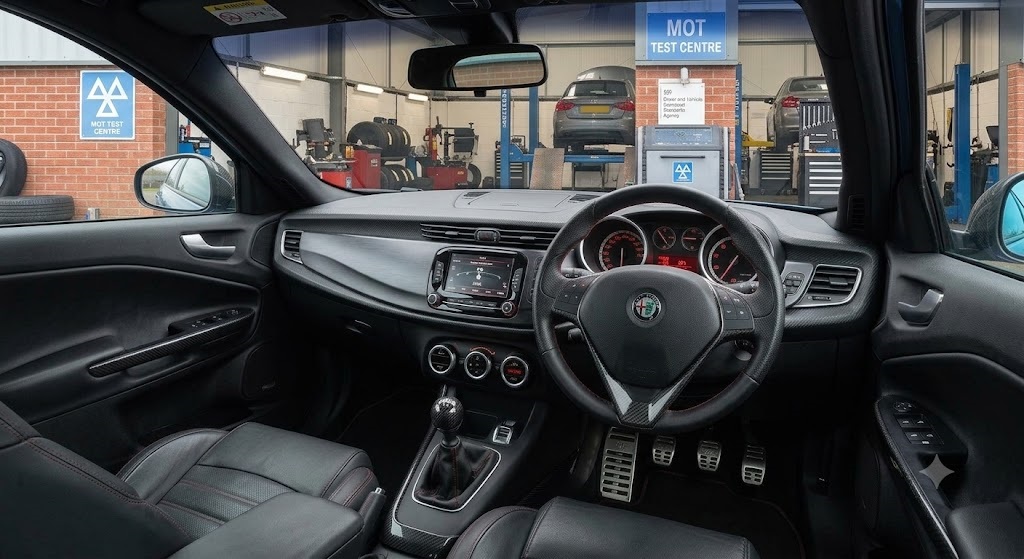
To understand why the trade is desperate for a review, one has to look at the maths behind a standard test. An MOT takes roughly 45 to 60 minutes of a skilled technician's time. For workshops without advanced, automated test lanes, a second assistant is often required to check brake lights and steering components.
When you factor in:
The 'Loss Leader' Trap
Despite these financial pressures, consumers rarely pay the full £54.85. A quick look across any UK high street reveals MOT offers ranging from £30 to £45.
For decades, garages have used the mandatory annual test as a loss leader — a heavily discounted service designed simply to get drivers through the door. The goal is not to make money on the test itself, but to secure the highly lucrative follow-up work, such as changing worn brake pads, fitting new tyres, or carrying out a full vehicle service.
This strategy has created a hyper-competitive landscape. Some workshop owners admit that even if the government raises the official cap to £60 or £70, they will feel forced to keep their prices low. If your competitor down the road is offering a £29.99 MOT, raising your price to £65 risks alienating your entire customer base.
Will Motorists Actually Pay More?
Experts suggest that a higher cap might have surprisingly little impact on the average driver's wallet. Large national chains and specific independent garages already charging the full fee will likely raise their prices in line with any new government limit. However, the abundance of discounted testing centres means savvy motorists will still find plenty of bargains.
This reality has drawn criticism from within the trade itself. Some automotive trainers and industry veterans point out the contradiction in lobbying the government for financial relief while simultaneously slashing prices on the shop floor. The argument goes that if the trade relies so heavily on discounting the MOT to survive, the industry has created its own race to the bottom.
What Lies Ahead?
The Department for Transport's review is ongoing, with early indicators from commercial vehicle sectors hinting at a potential 10% increase, which would bump the car cap to just under £60.