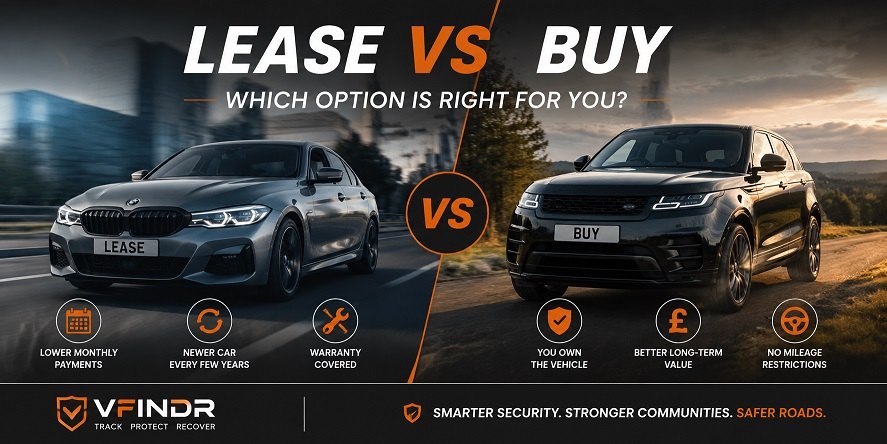
Lease vs Buying a Car: Which Option Is Right for You?
Understanding the pros and cons before choosing your next vehicle
Choosing your next vehicle is a major financial decision. For many drivers, the biggest question is whether to lease a car or buy one outright.
Both options have advantages and drawbacks, and the right choice depends on how you use your vehicle, your budget, and what you want from your ownership experience.
Whether you’re looking for lower monthly costs, long-term ownership, or the freedom to change vehicles regularly, understanding the difference between leasing and buying can help you make a more informed decision.
Buying a Car: Ownership and Long-Term Value
Buying a vehicle means you own the asset once the finance agreement is completed or the purchase is made.
For many drivers, ownership provides peace of mind because the vehicle belongs to them and there are no restrictions on how they use it.
Advantages of buying:
✅ You own the vehicle
Once paid for, the car is yours. You can keep it for as long as you want, sell it when you choose, or modify it to suit your needs.
✅ No mileage restrictions
Unlike many lease agreements, ownership means you are free to drive as much as you need without worrying about excess mileage charges.
✅ Potential long-term savings
Keeping a vehicle for several years after it has been paid off can significantly reduce your monthly motoring costs.
✅ More flexibility
You are free to make changes, add accessories, or personalise the vehicle without needing approval from a finance company.
Disadvantages of buying:
❌ Higher upfront costs
Buying a car outright requires a larger initial payment, while finance agreements often require a deposit.
❌ Depreciation risk
Vehicles lose value over time. When you own a car, you take responsibility for its depreciation.
❌ Repair costs as the vehicle ages
Once the warranty period ends, maintenance and unexpected repairs become your responsibility.
Leasing a Car: Lower Costs and Regular Upgrades
Leasing works differently. Instead of owning the vehicle, you pay to use it for an agreed period, usually between two and four years.
At the end of the agreement, the vehicle is returned and you can choose another model.
Advantages of leasing:
✅ Lower monthly payments
Lease agreements can often provide access to newer vehicles with lower monthly costs compared with buying.
✅ Drive a newer vehicle more often
Many drivers enjoy changing vehicles every few years, benefiting from the latest technology, safety features, and improved efficiency.
✅ Reduced maintenance worries
New vehicles are usually covered by manufacturer warranties during the lease period.
✅ Predictable motoring costs
Fixed monthly payments make budgeting easier.
Disadvantages of leasing:
❌ You do not own the vehicle
At the end of the agreement, the car is returned unless you have a specific purchase option.
❌ Mileage limits apply
Exceeding your agreed mileage can result in additional charges.
❌ Restrictions on modifications
Most lease agreements require the vehicle to be returned in its original condition.
❌ Long-term costs can add up
Drivers who continually lease may always have a monthly payment without ever owning a vehicle.
Lease vs Buy: Which Is Better?
There is no single answer because it depends on your circumstances.
Leasing may suit you if:
- You prefer driving a new vehicle every few years
- You want predictable monthly payments
- You do not cover high annual mileage
- You want fewer concerns about vehicle depreciation
- You enjoy having the latest technology and safety features
Buying may suit you if:
- You plan to keep your vehicle for many years
- You drive high mileage
- You want complete ownership
- You want the freedom to modify your vehicle
- You want an asset you can eventually sell
Consider the Total Cost, Not Just the Monthly Payment
A common mistake is choosing a vehicle based only on the monthly cost.
Before making a decision, consider:
- Insurance costs
- Fuel or charging expenses
- Servicing and maintenance
- Depreciation
- Finance interest
- Mileage requirements
- Future resale value
A cheaper monthly payment does not always mean a cheaper vehicle overall.
Protecting Your Vehicle Whatever You Choose
Whether you lease or own your vehicle, protecting it against theft is essential.
Vehicle crime continues to affect thousands of motorists across the UK, and having additional security measures can provide extra peace of mind.
Solutions such as discreet tracking devices, theft alerts, and community reporting networks can help owners take action if their vehicle is stolen.
At VFindR, we believe vehicle security is about more than recovering vehicles after theft — it is about helping drivers, owners, and communities stay one step ahead.
Built to intervene — not just report.
Final Thoughts
Choosing between leasing and buying comes down to your personal circumstances, driving habits, and financial priorities.
Leasing offers flexibility and access to newer vehicles, while buying provides ownership and long-term value.
Take the time to understand your options, calculate the true costs, and choose the route that best fits your lifestyle.